Cultivating Confidence, with Steady Handgun Training
For people who own a handgun there is a difference between what they want to do and what they can actually do. To really build confidence with a handgun you need to practice on purpose and have training habits. You also need to have an idea of what you can do with a handgun. This means you have to commit to training and do more than just go to the range. You have to learn things and find a teacher to help you with your handgun training. These are steps to build the confidence you need to use a handgun with your handgun.
The Power of Repetition in Handgun Training
Repetition is the key to getting good at anything including handgun training with your handgun. Practicing regularly does not just teach you how to shoot a handgun it helps your body remember what to do and makes it easier to act fast in situations. This is especially important when you are defending yourself with your handgun because even a little hesitation can have consequences.
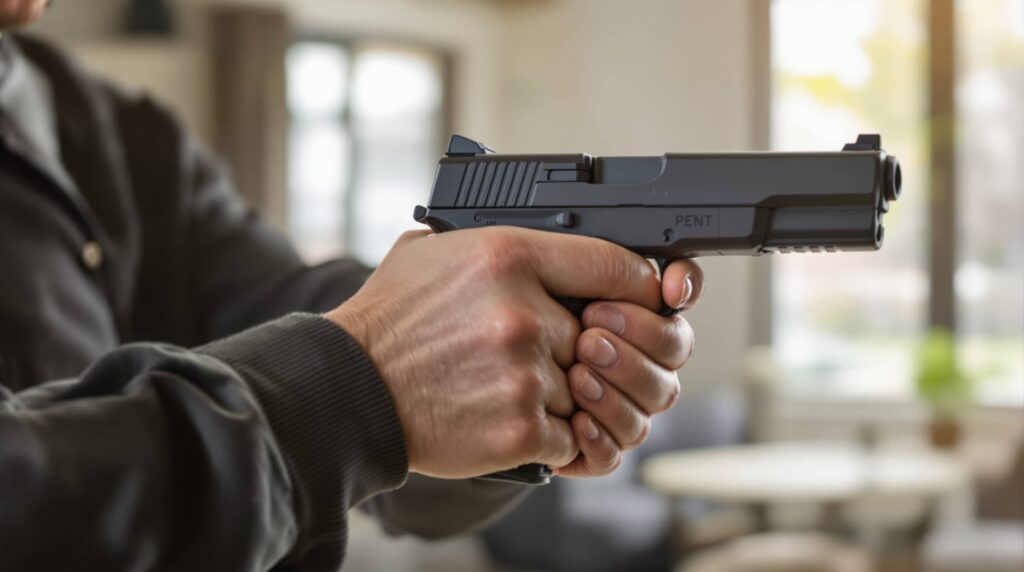
You should practice drills like shooting at the range or doing dry-fire exercises at home with your handgun. You need to get good at things like aiming and drawing your handgun from a holster. These skills should become natural to you and your handgun. If you keep practicing with your handgun you can get rid of habits that might be holding you back with your handgun training.
Imagine this: every time you practice drawing your handgun you get faster and smoother with your handgun. This helps you when you are under stress with your handgun. You should also practice scenarios so you can adapt to situations and be better prepared with your handgun.
Setting Goals in Your Handgun Journey
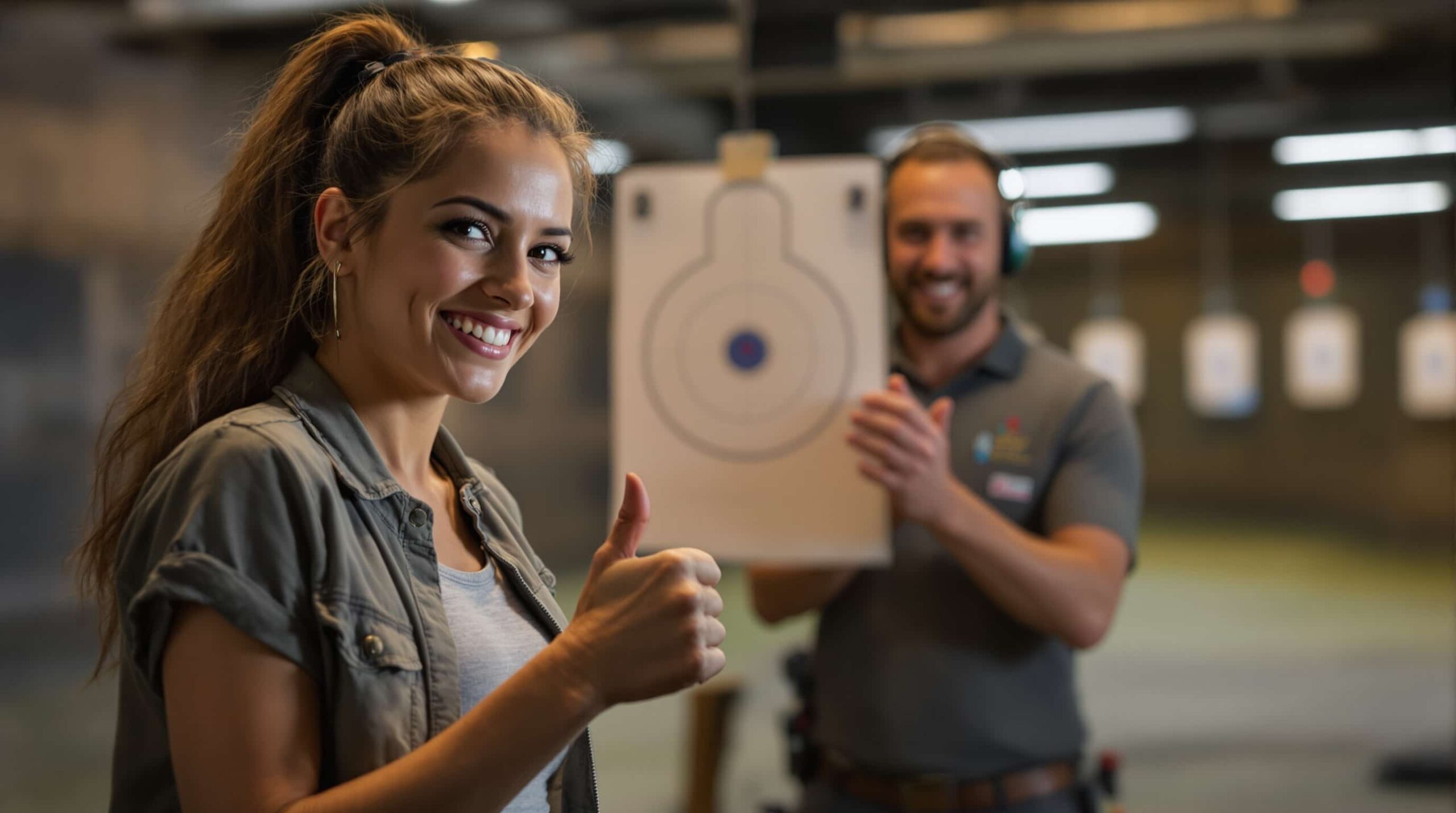
shooters often expect much from themselves with their handgun. The truth is, building confidence with a handgun takes time; it is a process that happens when you keep trying with your handgun. Many new shooters get discouraged if they do not see improvement away. This can make them feel bad about themselves and their handgun. So you should set goals for yourself. Celebrate when you achieve them like hitting a target or getting faster at drawing your handgun.
Everyone learns at their pace with their handgun. Some people pick up skills like controlling their breath and squeezing the trigger quickly with their handgun while others take longer with their handgun. Do not compare yourself to shooters and their handguns; just be patient. Let yourself grow with your handgun. Your confidence will grow as you practice with your handgun. Keeping a training log can be helpful with your handgun training. Writing down what you achieve and what challenges you face helps you see how far you have come with your handgun and motivates you to keep going with your handgun.
The Value of Professional Handgun Instruction
To get good at handling a handgun it is very helpful to have a teacher with your handgun. If you teach yourself with your handgun you might miss feedback that a professional can give you about your handgun. Taking a class or working one-on-one with a teacher can help you improve your techniques with your handgun find areas where you need to improve with your handgun and learn practices with your handgun.
When you choose a teacher for your handgun training look for someone with a reputation and experience with handguns. They should be able to explain things and demonstrate techniques in a way that makes sense for your handgun. Safety should always be their priority with your handgun. Not all teachers are the same; some specialize in areas with handguns so make sure their expertise matches what you want to learn about your handgun. A good teacher can make a difference in your confidence. How well you handle your handgun.
Establishing Safety as a Core Principle
Being safe is closely tied to your confidence with a handgun. Building habits helps you focus and reduces anxiety with your handgun. You should always treat your handgun like it is loaded be careful with the trigger and pay attention to whats around you with your handgun. These are negotiable rules for every training session with your handgun.
You should also check your handgun regularly to make sure it is working properly. Before you practice with your handgun inspect your handgun for any signs of wear or problems. Fixing issues is important; ignoring them can lead to conditions with your handgun. Taking care of your handgun is not about performance; it also shows that you are responsible with your handgun. For example cleaning your handgun after every use keeps it in condition and shows that you care about safety with your handgun. Making a checklist for before. After you train can help you remember safety steps with your handgun.
Developing Handgun Skills Gradually
As you get better with your handgun think of building skills like a race, not a sprint. In each practice session focus on one thing, like your grip, stance or follow-through with your handgun. Concentrating on one thing at a time helps you understand and do it well with your handgun.
You should also practice scenarios that might happen in life like shooting from positions or under time pressure with your handgun. This kind of training helps you adapt and think on your feet with your handgun. It reminds you to stay calm in situations with your handgun. Try practicing in conditions like on days or in low light to prepare for anything that might happen with your handgun.
Navigating Challenges and Gaining Insight from Errors
All shooters face challenges with their handguns. Dealing with them is part of learning with your handgun. If you struggle with accuracy or hesitate before shooting with your handgun acknowledge the problem with your handgun. Try to fix it with your handgun. Regularly evaluate how you are doing with your handgun and look for help or guidance to overcome challenges with your handgun.
Mistakes are not failures; they are feedback that can help you improve with your handgun. Think about what went wrong with your handgun and use that to inform your practice with your handgun. For example if you miss a target with your handgun think about what might have caused it with your handgun. Was it your grip, stance or focus with your handgun? Each training session is a chance to refine your technique and learn from experiences with your handgun.
Investing in Gear and Optics for Enhanced Handgun Training
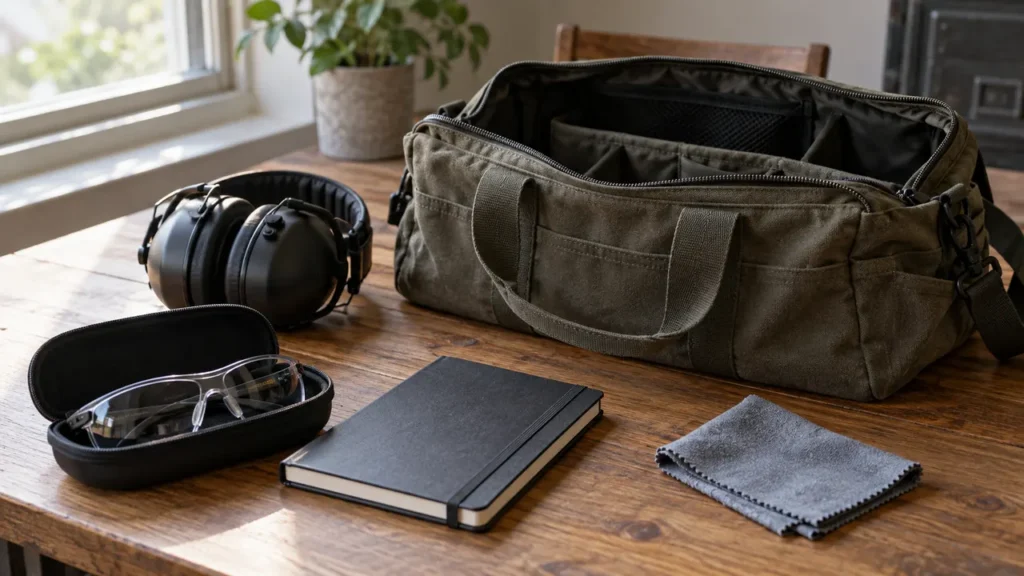
Having the gear and optics can make your training better with your handgun. Good eye and ear protection is essential for your safety with your handgun. It helps you focus on building your skills with your handgun. Using night vision or thermal optics can also help you practice in lighting conditions with your handgun, which makes you more adaptable in situations with your handgun.
When you choose your equipment for your handgun think about how it fits with your training goals with your handgun. Make sure it is reliable and comfortable with your handgun because that will encourage you to practice and build your confidence with your handgun. Having the gear and optics supports your training. Lets you focus on getting better without worrying about safety with your handgun.
Building confidence as a handgun owner takes time and effort with your handgun. With training, expectations, teaching and a strong focus on safety with your handgun you can improve your skills with your handgun. Embrace this journey knowing that each training session brings you closer to the confidence you want, with your handgun.