Mastering Dry Fire Practice, for Skill Building
You do not have to go to the range to practice shooting. Dry fire practice is a way to get better at shooting in the comfort of your home. Dry fire practice for your handgun allows you to practice the basics of shooting without spending money on ammunition or traveling. To get the most out of fire practice for your handgun you need to know the safety rules and techniques.
Safety First: Unloaded Verification
Before you start fire practice with your handgun you need to think about safety. First make sure your handgun is completely unloaded. This means taking out all the ammunition and checking that the chamber's empty. If you have a chamber flag use it. Check the magazine again to be sure. Do not get too comfortable. It can be dangerous. So every time you pick up your handgun get into the habit of checking that it is unloaded.
When you practice at home with your handgun choose an area where you can be in control. Make sure this area has a direction for your handgun to point. If you do not have a backstop do not dry fire your handgun. A solid wall might work,. Stay away from things that could bounce the bullet back. Consider putting a thing like a pillow behind your target to absorb any impact. This extra precaution can help keep you safe and give you peace of mind while you practice with your handgun.
Short Sessions for Better Retention
Practicing fire for hours might seem like an idea but it is not. Keep your fire practice sessions short 10 to 15 minutes. This is long enough to focus on skills without getting overwhelmed. Actually practicing a bit every day is better than practicing a lot one day and not again for a while. It helps you stay focused. Remember the basics of shooting your handgun.
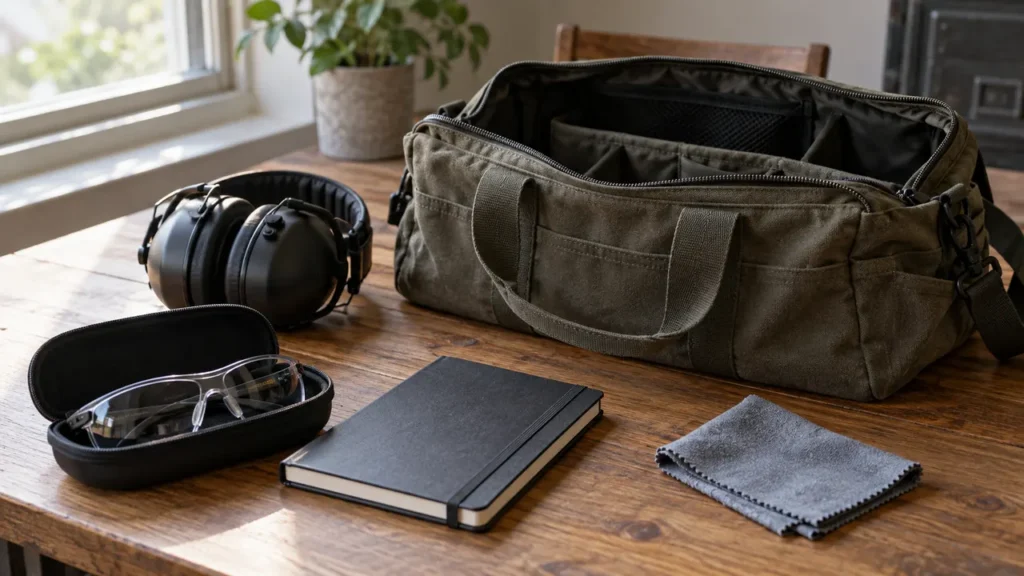
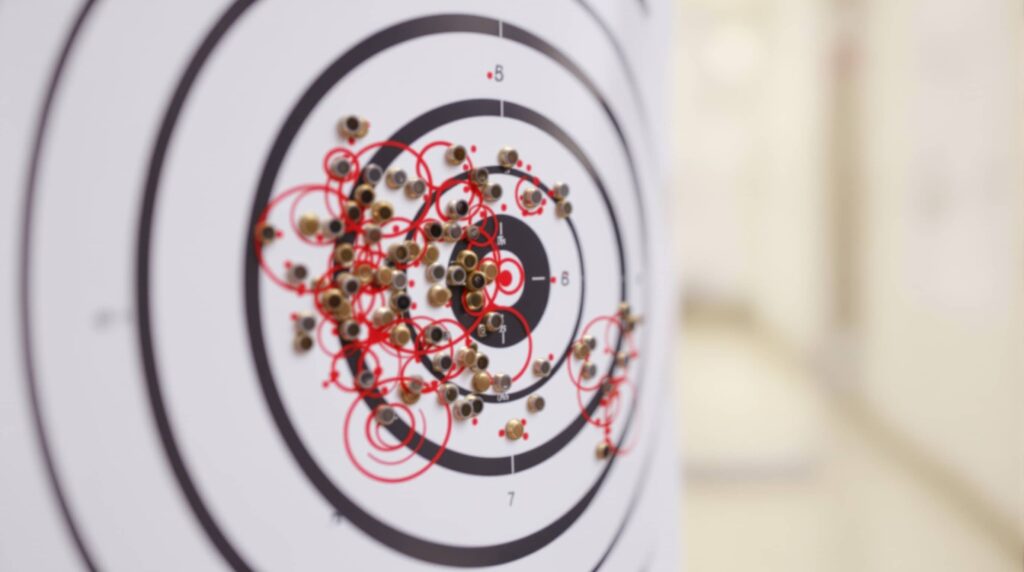
Think about making a schedule where you practice fire with your handgun on days. This helps your body get used to the movements. Reinforces the techniques you are trying to master. Also write down your progress in a journal. Use an app. Note what skills you worked on what was hard and how you felt. Over time this will help motivate you. Show you how much you have improved with your handgun.
Focus on Fundamentals
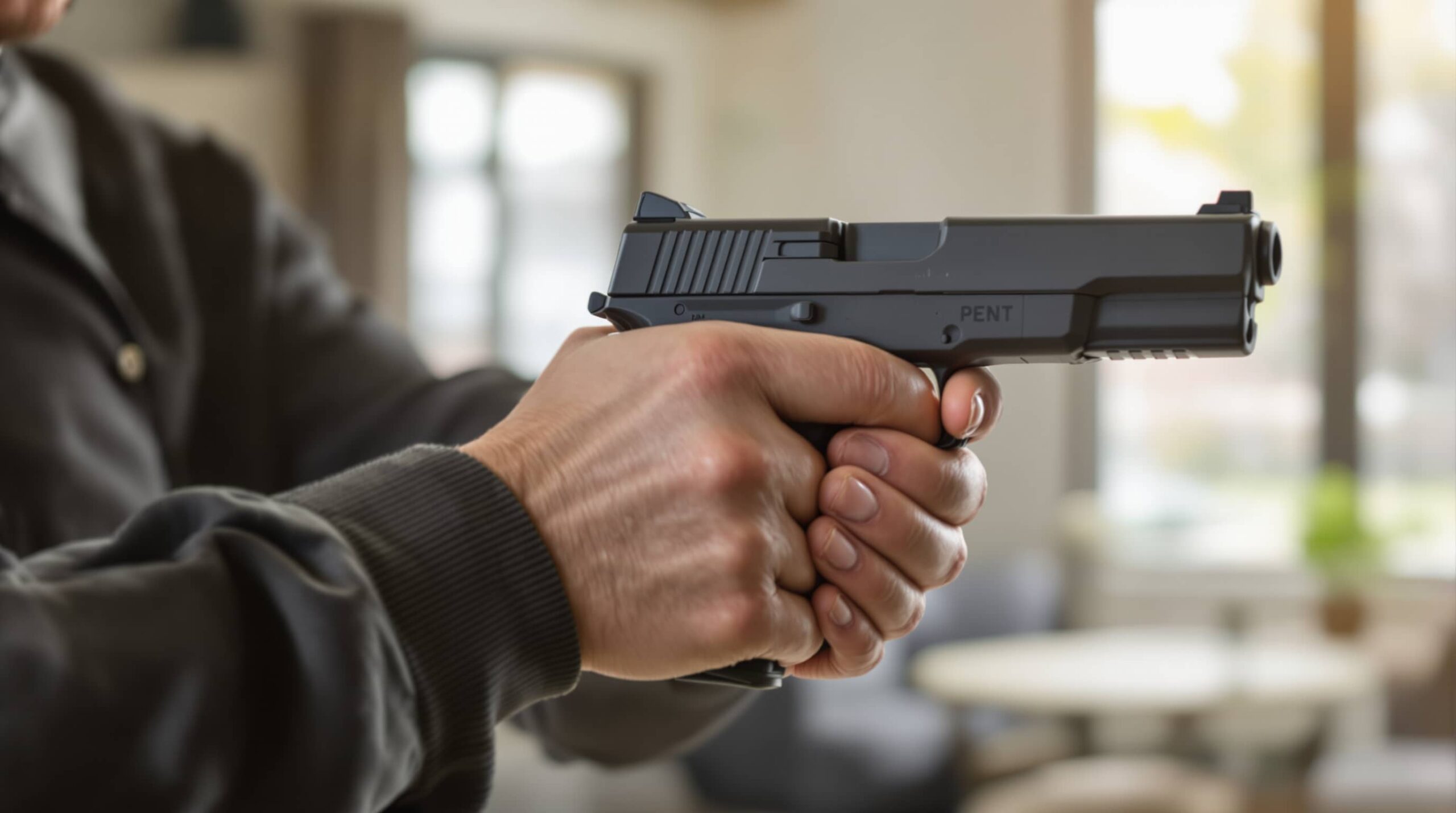
You might want to practice techniques. The basics are the most important. Focus on how you hold your handgun how you stand how you line up your sights. How you control the trigger. These are the building blocks of shooting with your handgun. When you practice fire pay attention to how you are holding your handgun. It should be firm but not too tight. It will affect your control. If you hold your handgun loosely you will be more accurate. Have trigger pulls.
Practicing how you draw your handgun is also important. If you are getting ready to carry a concealed handgun make sure you are comfortable taking it out of its holster. Dry fire practice lets you practice this without the risk of bullets. Start slow to get the movements right then go as you get better. Using a mirror when you practice can help you see what you are doing and make changes if you need to.
Incorporating Feedback
Checking yourself is a part of getting better. Use a mirror to see how you are standing or record yourself practicing. This will help you see if there are any problems with how you're holding your handgun or standing. If you are having trouble with some techniques it might be time to get a coach. A coach can give you advice to help you get better. Getting feedback from someone who knows what they are doing can often point out problems you might not notice on your own.
Joining a shooting club or group can also give you feedback. Talking to people who like handguns can give you tips and different ways of doing things that you might not have thought of. Practicing with a group can also introduce you to drills and exercises that can make your practice more interesting.
The Value of Consistent Practice
The key to fire practice is doing it regularly and consistently. Choose skills you want to get better at and practice them every day. Start with a warm-up that includes the basics then focus on one or two skills each time. This will work better than practicing
Try drills to keep your practice interesting. You might practice moving between targets clearing jams or timed draws. This variety keeps your practice fresh. Gets you ready for real-life situations where you need to adapt. For example practicing what to do when your handgun jams can give you confidence when it happens during fire.
Think about making a challenge for yourself like a "drill of the week". This could be something like getting better at drawing your handgun or controlling the trigger. By challenging yourself you stay motivated. Get better.
Final Reminders
Always think about safety when you practice fire with your handgun. Never point your handgun at something you do not intend to shoot even when you are not using bullets. Make sure you know how your handgun works so you can avoid accidents. Check your handgun regularly for any problems because a handgun that is not working right can be dangerous during fire.
Practicing fire regularly can really improve your handgun skills. As you get more comfortable with your handgun you will feel more confident in how you handle it. With dedication and discipline you will become an more responsible handgun owner. Stay safe practice regularly and know when to get coaching to improve your skills more. Remember, getting better at shooting your handgun is a process and every practice session brings you closer to your goals, with your handgun.