The booking email is open, the date is in the calendar, and you have one question for the instructor. By the time you find the contact address, you have forgotten what it was. Then, on the morning of the class, it comes back: which entrance were you supposed to use?
A short question sheet can make the administrative side of attending a class much easier. August is a useful time to put one together if you are sorting out your autumn schedule. It need not become another project. Half a page will do.
Read the email before writing the questions
Start with the instructions for the actual session you booked. An old confirmation from the same venue may look almost identical, but the meeting point or arrival time could be different. Save the current message somewhere you can find it on your phone.
Cross out anything the email already answers. If it says registration opens at eight, there is little value in asking when registration opens. A useful follow-up would be whether a first-time visitor should allow extra time to find the classroom. That gives the organiser something specific to answer.
Keep travel questions together
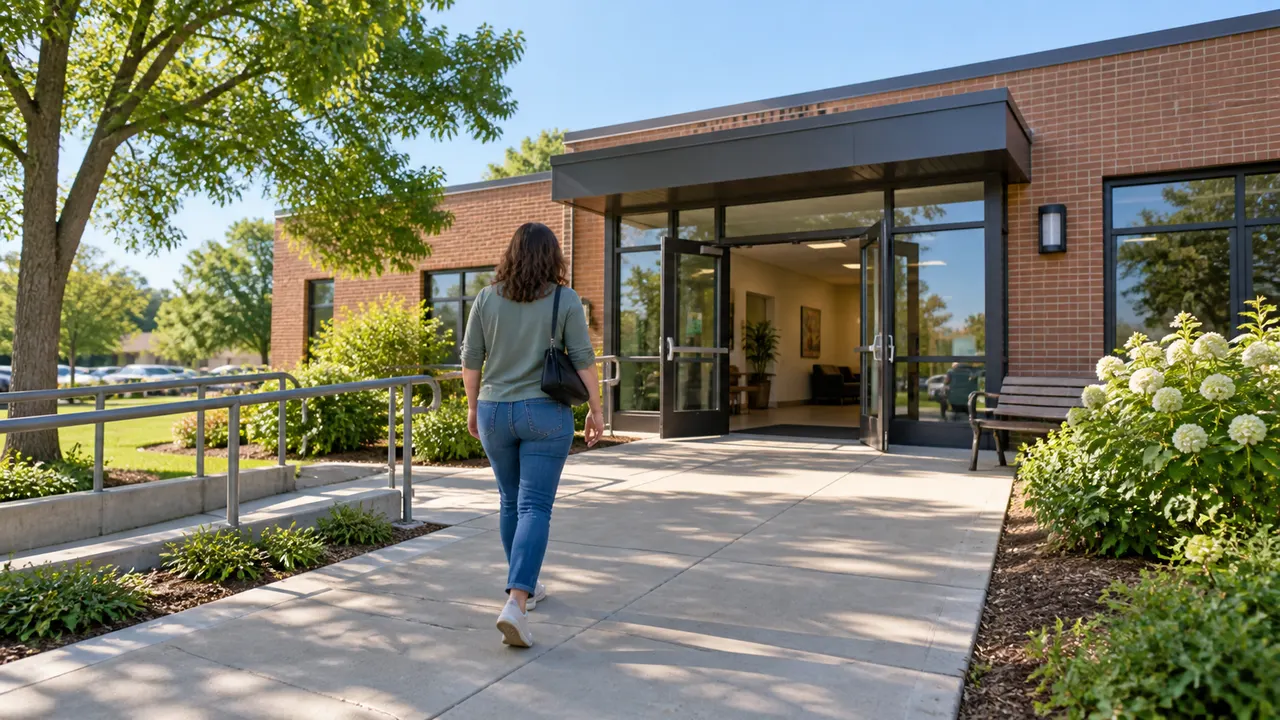
Parking, the entrance, the room number and the check-in desk belong in one small group. Write down the venue’s answer beside each question. A pin on a map helps you reach the property; it may tell you nothing about where visitors are expected to go once they arrive.
If somebody else is driving you, include that in the question. Ask where a driver can wait or return for pickup rather than assuming the public parking area stays open all day. Small arrangements are easier to settle beforehand than during a busy registration period.

Ask what to bring in plain language
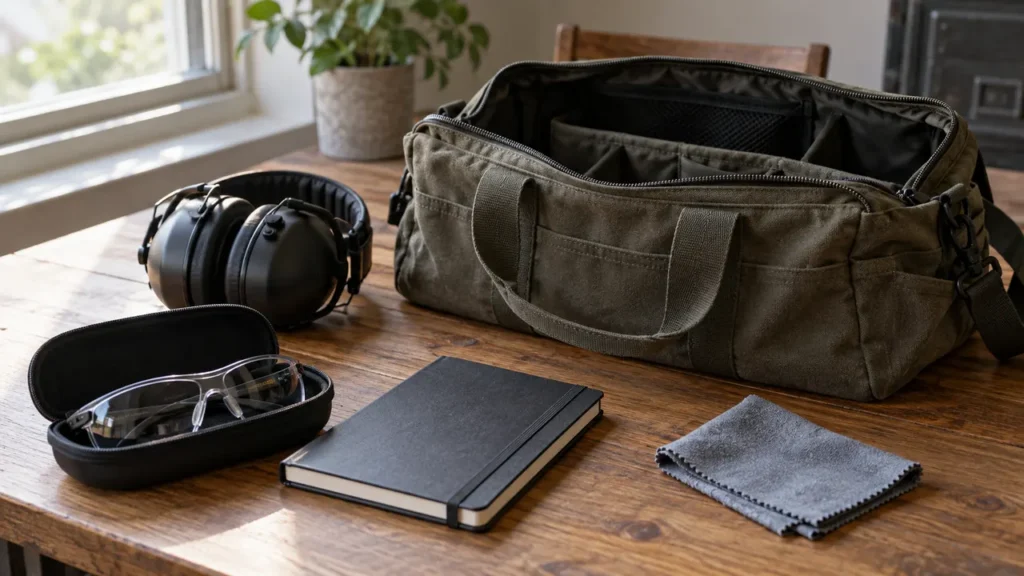
Use the organiser’s current equipment list. If an item on it is unfamiliar, quote the item exactly and ask what they mean. Guessing from a photograph on a shop page is a poor way to settle a course requirement.
The same applies to paperwork. Ask which documents the organiser needs, how they should be presented and whether anything must be completed before arrival. Keep personal documents out of a general group chat. Use the contact method supplied with your booking for questions that concern your own details.
Leave space for the questions that come later
It is tempting to send one enormous message covering every possible uncertainty. Usually three clear questions get a more useful response. Keep the rest on your own sheet, especially questions about the course material that make more sense during the lesson.
Beside each answer, record where it came from and when. This sounds fussy until you have two emails with different start times. In that situation, ask the organiser to confirm which instruction applies. Don’t quietly choose the version that fits your journey better.
Finish with a small arrival note
Once the practical details are settled, copy the essentials onto a short note: date, arrival time, entrance and contact number. You can keep the longer email as well. The note is simply easier to read when you are standing beside a car with your bag over one shoulder.
After the class, keep any unanswered questions with your course notes. Next time you book, you will have a better starting point than a vague feeling that there was something you meant to ask.