Incorporating night vision and thermal devices, into handgun training can really help you prepare for low-light situations. However you need to be committed to safety and understand how your equipment works. You also need instruction. Many gun owners do not think that integration and practice are important. They really are. You have to approach this technology in a way to be safe and effective.
Understanding Night Vision and Thermal Optics
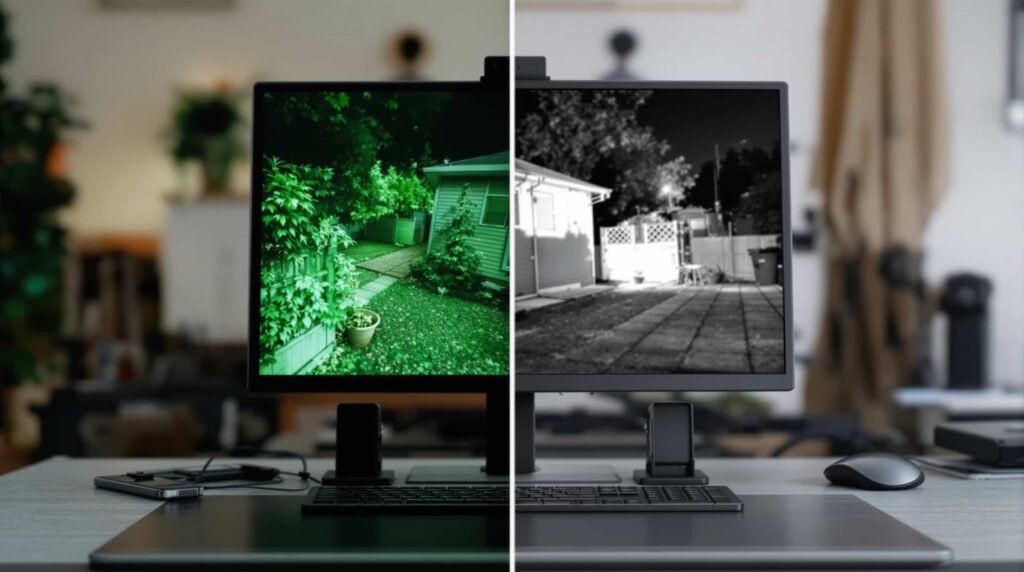
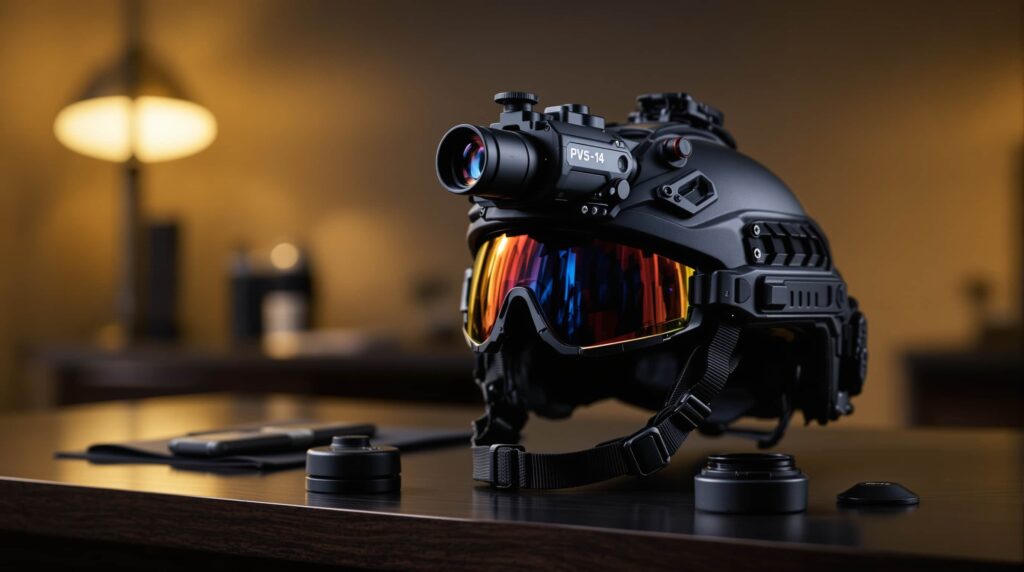
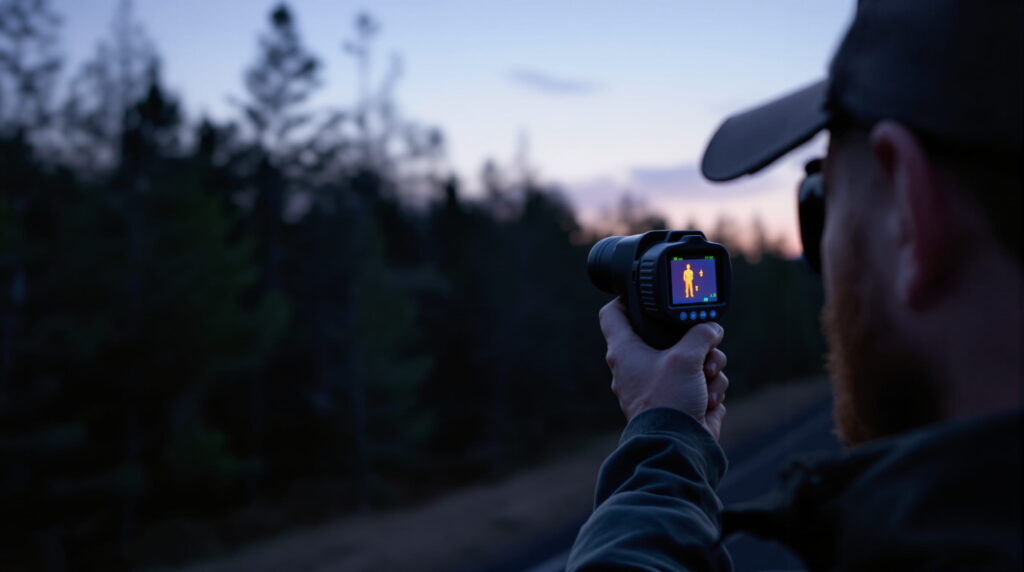
Night vision devices help you see in the dark by making the bit of light there is brighter. Thermal optics detect heat so you can see things that're warm. Each one is good for situations. You need to know what they can and cannot do. For example night vision is good for seeing who is in a room that's not bright and thermal optics can help you find someone who is hiding in a completely dark room. This is important because it can change how you train and what you do in a situation.
Before you go to the range you need to know your optics. Check your gear for any problems make sure the lenses are clean and make sure everything is set right. If you do not do this you might get. Misunderstand what you are seeing. Practice using your optics in conditions so you can get better at using them when it counts.
The Role of Professional Instruction
If you want to use night vision or thermal optics in your training you need to get help. You need to know how these devices work and how to use them in a situation. A good instructor can show you how to use your equipment
Look for classes that teach you what to do in real-life situations. Training in a controlled environment can help you get used to using your optics when you're under pressure. The more you practice, the more confident you will be. Instructors can set up low-light situations, which can be really helpful. Do not be afraid to ask questions because understanding why you do things a way can help you get better.
Safe Handling and Range Rules
Every range has its rules for using optics. Before you start using night vision or thermal devices ask the range officers what you need to do. Usually you can only use these devices in low-light areas so everyone can stay safe.
Before you go to the range do these checks:
– Make sure your devices are working right and the batteries are fully charged. If your battery dies your device will not work.
– Learn the ranges rules for using optics especially when it comes to light and visibility. Know what the lighting is like and what kind of optics you can use.
– Check that your gun works with your optics. Not all guns can use all kinds of optics so make sure yours is compatible.
Following the rules is important for staying safe. If you do not follow the rules you can put yourself and others in danger. Make sure you know. Follow the ranges rules for communicating and where to stand, when using advanced optics.
Practical Training Scenarios
Practicing with your optics without firing your gun can help you get better at using them. This kind of practice helps you get used to your gear and how it works, without the stress of firing. Set up low-light situations and practice moving around and using your optics.
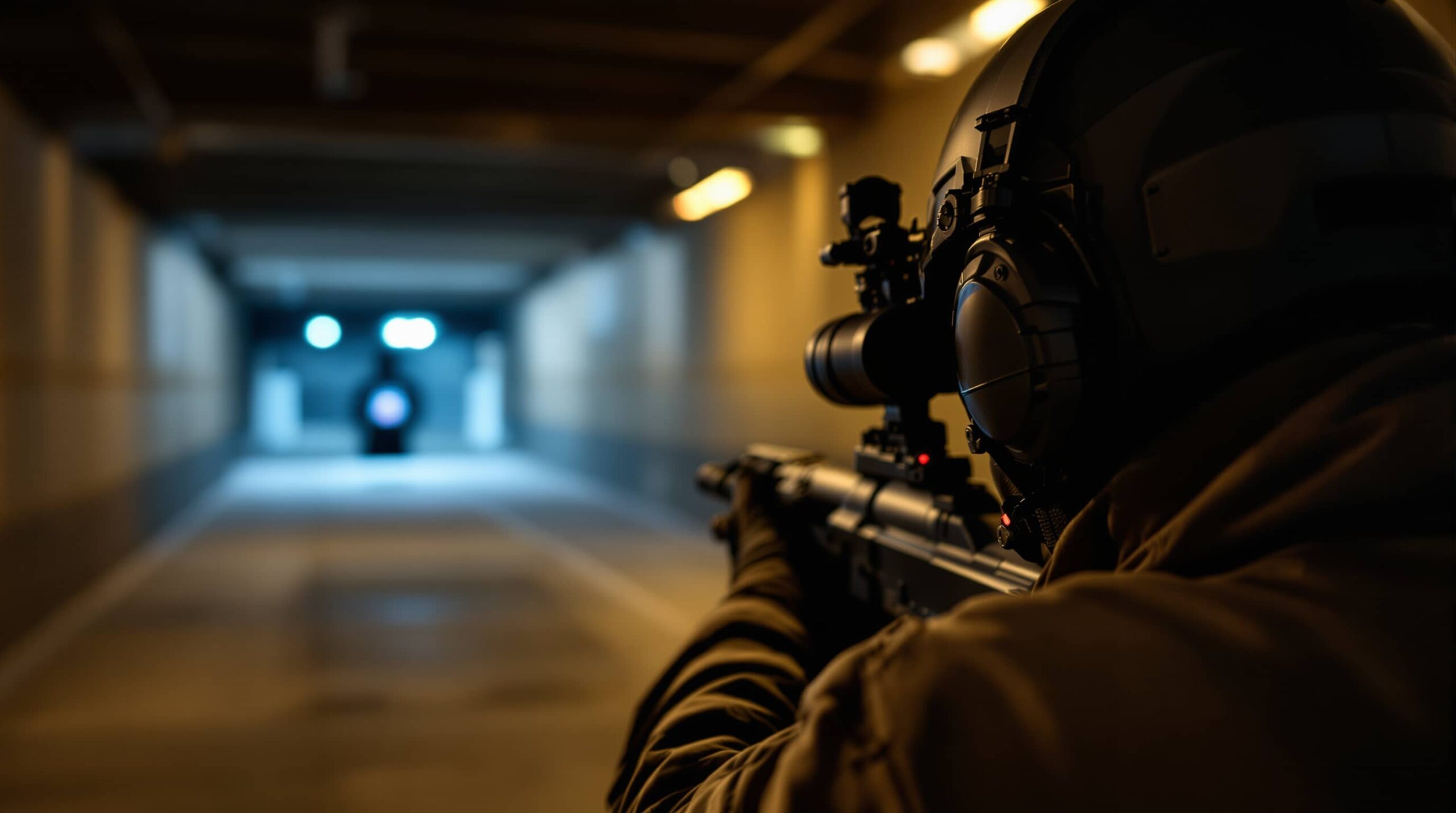
When you are at the range practice drawing and firing with your optics as part of your plan. Think about how using night vision or thermal optics might change how you shoot and acquire targets. Practice moving around. Using cover which're important skills in a real defensive situation.
Addressing Limitations and Symptoms of Malfunction
All technology can fail. Regularly check your night vision and thermal optics for any problems. If you see something like an image or a mechanical issue do not ignore it. Check your user manual. Contact the manufacturer for help. Know how to troubleshoot your optics because different models can have issues. It is also an idea to have a plan like practicing with traditional sights so you do not rely too much on your advanced optics.
Understanding the limitations of your equipment can help you prepare for real-life situations. For example thermal optics might not work well in humid conditions and night vision devices can be affected by dust or bright lights. Knowing these limitations can help you adapt your strategy.
Embracing the Defensive Mindset
Using night vision and thermal optics in your training is not about the technology. It is about being aware, prepared and able to adapt. Always know what is around you what the risks are and what the law says about using your gun. Understanding the law is crucial because it will help you make decisions, in high-pressure situations.
As you train remember that being a gun owner means mastering your equipment and knowing when to use it. Keep learning, practicing and being aware. You will be able to use these tools safely and effectively.
By prioritizing safety following the rules and getting help you can confidently use night vision and thermal optics in your training. This will make you a better shooter and a responsible gun owner.